Vietnamese Food
Vietnamese cuisine encompasses the foods and beverages of Vietnam. Meals feature a combination of five fundamental tastes (ngũ vị): sweet, salty, bitter, sour, and spicy. The distinctive nature of each dish reflects one or more elements (such as nutrients and colors), which are also based around a five-pronged philosophy. Vietnamese recipes use ingredients like lemongrass, ginger, mint, Vietnamese mint, long coriander, Saigon cinnamon, bird's eye chili, lime, and Thai basil leaves. Traditional Vietnamese cooking has often been characterised as using fresh ingredients, not using much dairy or oil, having interesting textures, and making use of herbs and vegetables. The cuisine is also low in sugar and is almost always naturally gluten-free, as many of the dishes are rice-based instead of wheat-based, made with rice noodles, papers and flour. Vietnamese cuisine is strongly influenced not only by the cuisines of neighboring China, Cambodia and Laos, but also by French cuisine due to French colonial rule over the region from 1887 to 1954.
越南美食包括越南的食物和饮料。餐点融合了五种基本口味(ngũ vị):甜、咸、苦、酸和辣。每道菜的独特特色反映了一个或多个元素(如营养和颜色),这些元素也基于一个五方面的哲学。越南菜谱使用了柠檬草、姜、薄荷、越南薄荷、长香菜、西贡肉桂、指天椒、酸橙和泰国罗勒叶等成分。传统越南烹饪通常以使用新鲜食材为特点,不使用太多奶制品或油脂,具有丰富的口感,并充分利用草药和蔬菜。越南菜肴的特点还包括低糖分,几乎总是天然无麸质,因为许多菜肴是基于大米而不是小麦制成的,包括米粉、米纸和米粉。越南美食不仅受到邻近中国、柬埔寨和老挝的美食的影响,还受到法国的影响,因为法国在1887年至1954年间殖民统治了该地区。
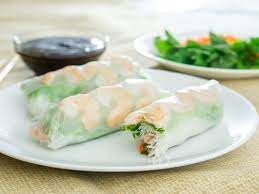
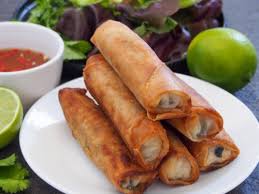
Vietnamese Hand Rolls