Italian Pizza and Pasta
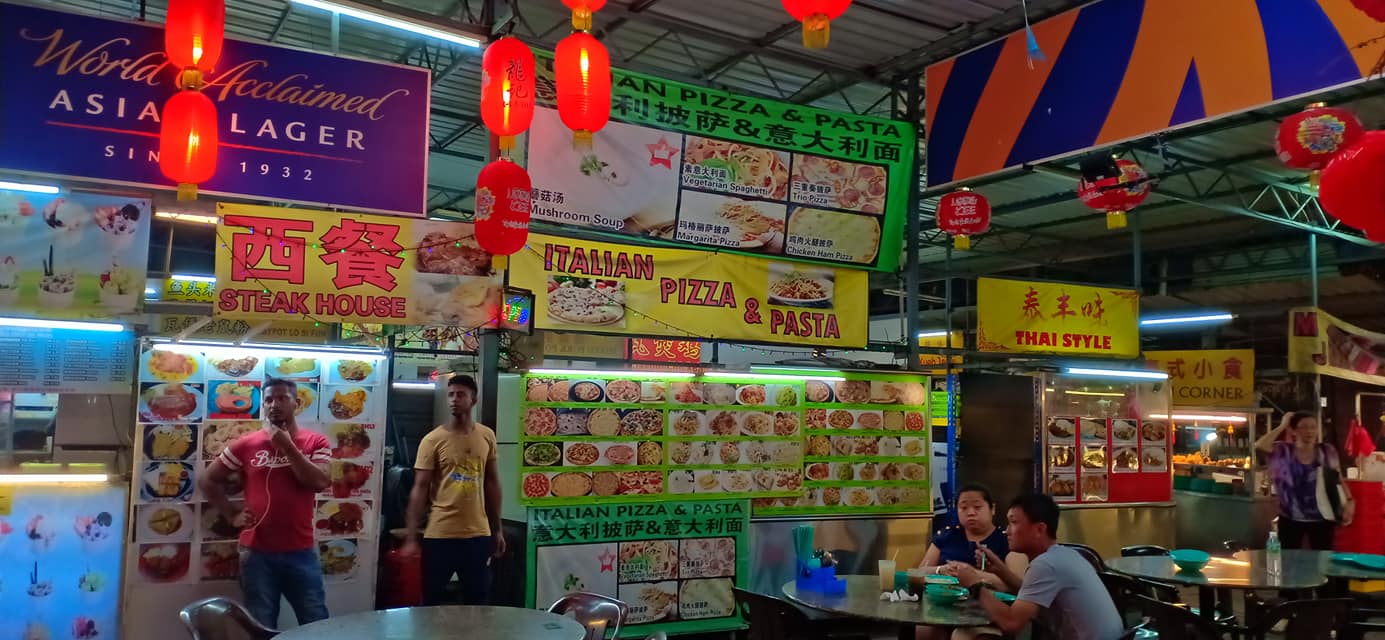
Pasta (US: /ˈpɑːstə/, UK: /ˈpæstə/; Italian pronunciation: [ˈpasta]) is a type of food typically made from an unleavened dough of wheat flour mixed with water or eggs, and formed into sheets or other shapes, then cooked by boiling or baking. Rice flour, or legumes such as beans or lentils, are sometimes used in place of wheat flour to yield a different taste and texture, or as a gluten-free alternative. Pasta is a staple food of Italian cuisine.
Pastas are divided into two broad categories: dried (pasta secca) and fresh (pasta fresca). Most dried pasta is produced commercially via an extrusion process, although it can be produced at home. Fresh pasta is traditionally produced by hand, sometimes with the aid of simple machines. Fresh pastas available in grocery stores are produced commercially by large-scale machines.
Both dried and fresh pastas come in a number of shapes and varieties, with 310 specific forms known by over 1,300 documented names. In Italy, the names of specific pasta shapes or types often vary by locale. For example, the pasta form cavatelli is known by 28 different names depending upon the town and region. Common forms of pasta include long and short shapes, tubes, flat shapes or sheets, miniature shapes for soup, those meant to be filled or stuffed, and specialty or decorative shapes.
As a category in Italian cuisine, both fresh and dried pastas are classically used in one of three kinds of prepared dishes: as pasta asciutta (or pastasciutta), cooked pasta is plated and served with a complementary sauce or condiment; a second classification of pasta dishes is pasta in brodo, in which the pasta is part of a soup-type dish. A third category is pasta al forno, in which the pasta is incorporated into a dish that is subsequently baked in the oven. Pasta dishes are generally simple, but individual dishes vary in preparation. Some pasta dishes are served as a small first course or for light lunches, such as pasta salads. Other dishes may be portioned larger and used for dinner. Pasta sauces similarly may vary in taste, color and texture.
In terms of nutrition, cooked plain pasta is 31% carbohydrates (mostly starch), 6% protein, and low in fat, with moderate amounts of manganese, but pasta generally has low micronutrient content. Pasta may be enriched or fortified, or made from whole grains.
意大利面(美国:/ˈpɑːstə/,英国:/ˈpæstə/;意大利语发音:[ˈpasta])是一种通常由小麦面粉与水或鸡蛋混合制成的不发酵面团制成的食物,然后被制成片状或其他形状,通过煮沸或烘烤而烹制。有时会使用米粉,或者豆类如豆子或扁豆代替小麦面粉,以获得不同的味道和质地,或作为不含麸质的替代品。意大利面是意大利烹饪的主食之一。
意大利面分为两大类:干面(pasta secca)和新鲜面(pasta fresca)。大多数干面是通过挤压工艺商业生产的,尽管也可以在家里制作。传统上,新鲜面是手工制作的,有时候会借助简单的机器。在杂货店中出售的新鲜面是由大型机器商业生产的。
干面和新鲜面都有许多形状和品种,已知有310种具体形式,有超过1,300个记录的名称。在意大利,特定面条形状或类型的名称通常因地区而异。例如,卡瓦泰利(cavatelli)这种面条形状根据城镇和地区有28个不同的名称。常见的面条形状包括长形和短形、管状、平形或片状、用于汤的迷你形状、用于填充或包馅的形状,以及特色或装饰形状。
作为意大利烹饪中的一个类别,新鲜和干面通常用于三种类型的准备好的菜肴中:作为干面(或pastasciutta),煮熟的面条与相配的酱料或调味品一起上桌;第二类面食是在面条成为类似汤的菜肴的一部分。第三类是焗面(pasta al forno),其中面条被并入随后在烤箱中烘烤的菜肴中。面食通常简单,但个别菜肴在准备方法上有所不同。有些面食作为小的第一道菜或淡味午餐,比如意大利面沙拉。其他菜肴可能分成更大的份量,用于晚餐。面条酱的口味、颜色和质地也可能有所不同。
在营养方面,煮熟的普通面条中,碳水化合物占31%(主要是淀粉),蛋白质占6%,脂肪含量低,锰含量适中,但面食通常微量营养成分含量较低。面食可能是富含或强化的,或由全谷物制成。
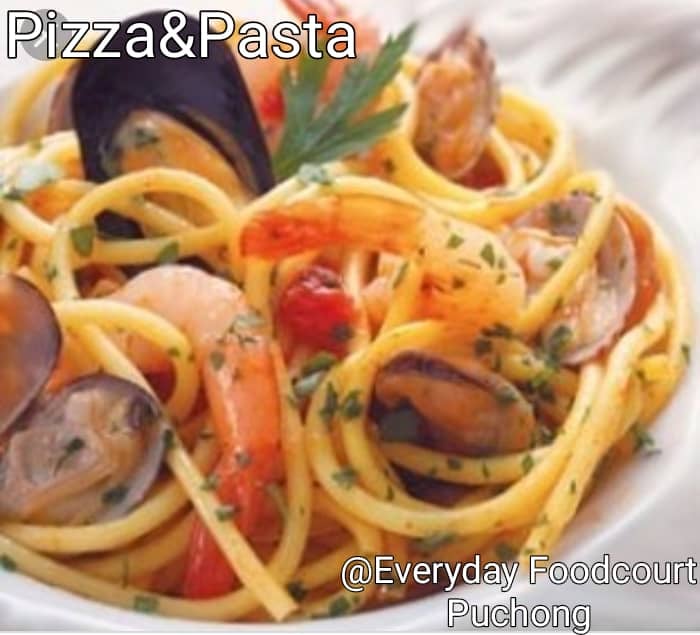
Pasta
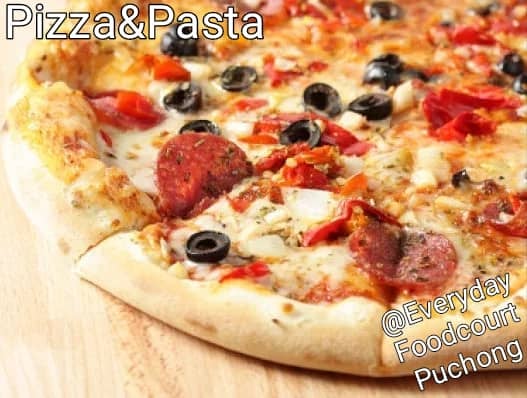
Pizza (/ˈpiːtsə/ PEET-sə, Italian: [ˈpittsa]; Neapolitan: [ˈpittsə]) is a dish of Italian origin consisting of a usually round, flat base of leavened wheat-based dough topped with tomatoes, cheese, and often various other ingredients (such as anchovies, mushrooms, onions, olives, vegetables, meat, etc.), which is then baked at a high temperature, traditionally in a wood-fired oven.
The term pizza was first recorded in the year 997, in a Latin manuscript from the Southern Italian town of Gaeta, in Lazio, on the border with Campania. Raffaele Esposito is often credited for creating modern pizza in Naples. In 2009, Neapolitan pizza was registered with the European Union as a traditional speciality guaranteed dish. In 2017, the art of making Neapolitan pizza was added to UNESCO's list of intangible cultural heritage.
Pizza and its variants are among the most popular foods in the world. Pizza is sold at a variety of restaurants, including pizzerias (pizza specialty restaurants), Mediterranean restaurants, via delivery, and as street food. In Italy, pizza served in a restaurant is presented unsliced, and is eaten with the use of a knife and fork. In casual settings, however, it is typically cut into slices to be eaten while held in the hand. Pizza is also sold in grocery stores in a variety of forms, including frozen or as kits for self-assembly. They are then cooked using a home oven.
In 2017, the world pizza market was US$128 billion, and in the US it was $44 billion spread over 76,000 pizzerias. Overall, 13% of the U.S. population aged two years and over consumed pizza on any given day.
比萨(/ˈpiːtsə/ PEET-sə,意大利语:[ˈpittsa];那不勒斯语:[ˈpittsə])是一道起源于意大利的菜肴,由通常是圆形的发酵小麦面团基底,覆盖有番茄、奶酪,通常还有各种其他配料(如凤尾鱼、蘑菇、洋葱、橄榄、蔬菜、肉等)组成,然后在高温下烘烤,传统上是在木炭烤箱中。
术语“比萨”首次记录于公元997年,出现在意大利南部加埃塔镇的一份拉丁手稿中,位于拉齐奥与坎帕尼亚的交界处。拉斐尔·埃斯波西托通常被认为是在那不勒斯创造现代比萨的人。2009年,那不勒斯比萨被注册为欧洲联盟的传统特色保障菜肴。2017年,制作那不勒斯比萨的技艺被列入联合国教科文组织的非物质文化遗产名录。
比萨及其变种是世界上最受欢迎的食物之一。比萨在各种餐厅销售,包括比萨店(比萨专业餐厅)、地中海餐厅、外卖以及街头小吃。在意大利,餐厅中供应的比萨是未切片的,通常用刀叉食用。然而,在休闲场合中,比萨通常切成片,手持食用。比萨还以各种形式在杂货店销售,包括冷冻比萨或自行组装的比萨套餐,然后使用家用烤箱烹饪。
2017年,全球比萨市场规模为1280亿美元,在美国,这一数字为440亿美元,分布在76,000家比萨店。总体而言,13%的美国2岁及以上人口在任何一天都食用比萨。