Economy fried bee hoon/mee/maggi
per plate
由 Penang Night Markets 销售进店
RM 2.50
Small
Big
1
可外卖配送 · 支持面交 · 可到店付款
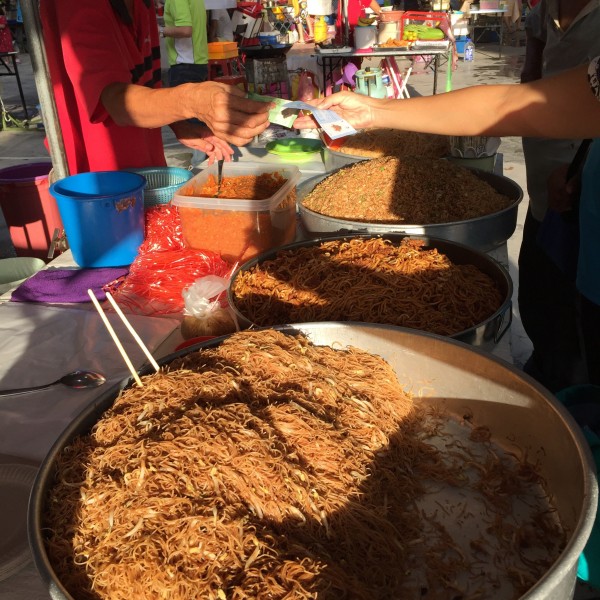
Economy Fried Bee Hoon/Mee/Maggi (经济米粉/面) is the ultimate "blue-collar" breakfast staple in Malaysia and Singapore, loved for its affordability and customizability.
1. History and Origin (历史与起源)
- The Post-War Solution: It emerged during the post-WWII era in the 1940s and 50s. Resources were scarce, and laborers needed a quick, filling, and cheap meal before starting work at dawn.
- "Economy" Branding: The term "Economy" (经济) was used to indicate that the meal was priced for the masses. Hawkers would fry large batches of plain noodles with minimal ingredients (just soy sauce and bean sprouts) to keep costs low.
- Evolution of Choice: Originally just plain noodles, the dish evolved as the economy improved. Vendors began offering a wide array of "add-ons" like fried eggs, luncheon meat, and fish cakes, allowing it to transition from a poor man's meal to a national favorite.
- 战后背景: 起源于二战后的1940至50年代。当时物资匮乏,为了让劳工们在清晨开工前能吃上一顿饱腹且廉价的早餐,小贩们开始售卖这种大锅炒制的面食。
- “经济”之名: 冠以“经济”二字是为了说明其价格亲民。起初,面条中只加入少许生抽和豆芽,不含贵重食材,以确保每个人都负担得起。
- 随时代演变: 随着生活水平提高,单纯的炒粉已不能满足胃口。小贩开始提供琳琅满目的配菜(如煎蛋、午餐肉、鱼饼),使其从“穷人的早餐”变成了全民共享的国民美食。
2. Explanation and Varieties (解析与分类)
- The Three Pillars (三大主角):
- The "Sides" Culture: The soul of the dish lies in the self-service topping selection. Common choices include:
- 主食: 通常有幼滑的米粉、带碱水味的黄面以及口感爽口的Maggi面。
- 加料文化: 它的灵魂在于自选配菜。常见的有:荷包蛋、午餐肉、炸鸡翅、台湾香肠、炒包菜等。
- 必备灵魂: 最后必须淋上一大勺咸甜辛辣的参巴辣椒酱(Sambal)。
3. Cultural Significance (文化意义)In Penang and Singapore, these stalls often open as early as 5:00 AM. It represents the hardworking spirit of the region and remains one of the few dishes where you can still get a satisfying meal for under RM 5.00 (depending on your "add-on" discipline!).
在槟城和新加坡,这类摊位通常凌晨5点就开市。它象征着南洋华人的勤劳精神,且至今仍是少数几块钱就能吃饱的“平民天堂”。