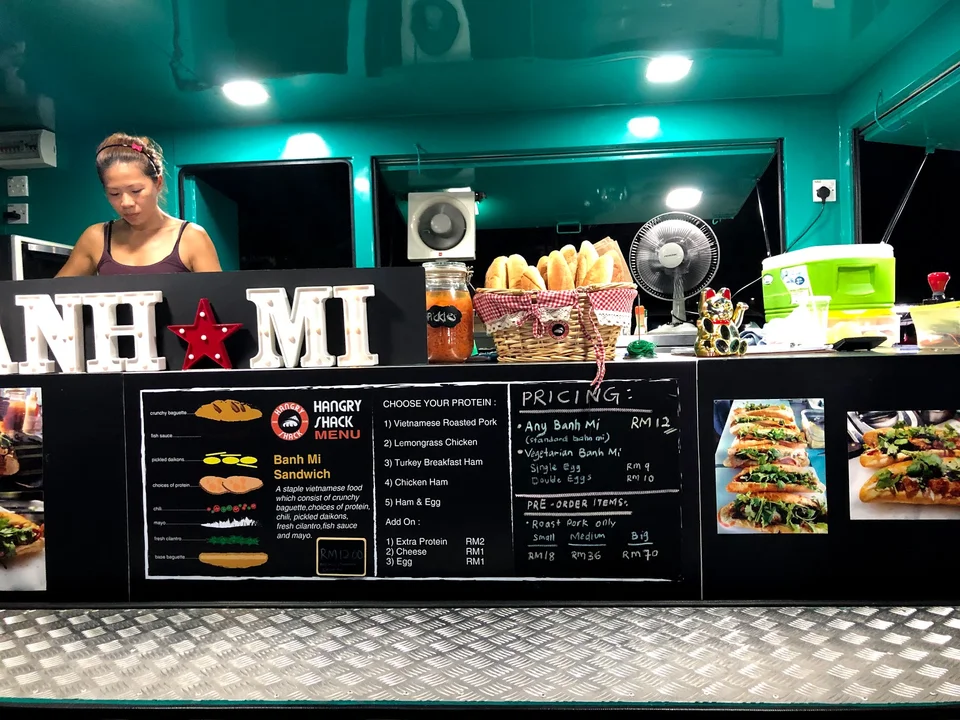
Banh Mi (越式法包/越式三明治) is a world-renowned Vietnamese sandwich that represents a masterful fusion of French and Vietnamese culinary traditions.
1. History and Origin (历史与起源)
- Colonial Roots: The baguette was introduced to Vietnam by the French in the mid-19th century. Initially, it was a luxury item for the elite, typically eaten with butter and ham.
- Vietnamization (1950s): After French rule ended in 1954, the Vietnamese people began adapting the sandwich to local tastes. They added affordable ingredients like pickled vegetables and fresh herbs.
- Rice Flour Innovation: Vietnamese bakers began mixing rice flour into the wheat dough to make the bread airier and cheaper, which helped it become a staple for the masses.
- Global Spread: Following the Vietnam War in 1975, refugees brought the recipe to the US, Europe, and Australia, where it evolved into an international sensation.
- 殖民背景: 法式长棍面包(Baguette)于19世纪中叶由法国殖民者引入越南。起初,它是仅供上流社会享用的奢侈品。
- 本土化过程(1950年代): 1954年法属时期结束后,越南民众开始对其进行改良。面包中加入了廉价且爽口的腌菜、香草和辣椒,从而诞生了现代的“越式法包”。
- 米粉改良: 为了降低成本并适应湿热气候,当地面包师在小麦粉中混入大米粉,使面包皮更脆、芯更松软。
- 走向世界: 1975年越战结束后,随着越南难民移居海外,这款三明治在世界各地(如美、法、澳)广为流传。
2. Explanation and Ingredients (解析与配料)
- Meaning: In Vietnamese, "Bánh mì" simply means "bread" or "wheat cake".
- Core Ingredients:
- 含义: 在越南语中,“Bánh mì”字面意思就是“面包”或“小麦制品”。
- 主要配料: